

 by giant
Understanding the House Edge
The house edge is a crucial concept in the gambling world, representing the built-in advantage that casinos have over players. This percentage varies across different games and indicates how much of each bet the casino expects to retain over time. For instance, in games like blackjack, the house edge can be as low as 1%, while in slot machines, it can exceed 10%. Many players search for the best australian online casino to find games with a lower house edge, as this advantage ensures that, while players may experience wins from time to time, the casino is guaranteed to profit in the long run, making it essential for players to understand how it affects their chances.
Understanding the house edge is vital for anyone interested in gambling responsibly. Recognizing which games offer a lower house edge empowers players to make informed choices that can enhance their potential returns. Moreover, employing optimal strategies tailored to each game can help mitigate the house’s advantage. For example, in blackjack, following basic strategy can significantly reduce the house edge, enabling knowledgeable players to achieve better outcomes compared to those who rely solely on luck and chance.
Despite the persistent presence of the house edge, many players maintain a sense of optimism regarding their chances of winning. This optimism is often fueled by stories of substantial wins and the thrill of the betting experience. However, it is important to realize that these success stories are typically outliers rather than the norm. By understanding the implications of the house edge, players can cultivate a more strategic approach to gambling, allowing them to enjoy the activity while remaining realistic about their odds of winning.
Can Skill Influence Outcomes?
In numerous casino games, skill can significantly influence the outcomes, especially in games like poker and blackjack. Unlike games that rely entirely on luck, such as slots, skilled players can adopt strategies that improve their odds. For instance, in poker, understanding the mathematics of betting, reading opponents’ behaviors, and making informed decisions can enhance a player’s success rate, helping them overcome the inherent house edge to some extent.
Blackjack exemplifies a game where players can reduce the house edge through strategic methods such as card counting. By keeping track of the cards that have been dealt, players gain insight that can inform their betting strategies, thereby improving their chances of winning. While casinos have implemented countermeasures against card counting, savvy players can still use their knowledge to maximize their winning potential, demonstrating that skill can indeed make a difference in certain games.

However, it is essential to note that not all casino games offer the same opportunities for skill-based advantages. In games like roulette or baccarat, outcomes are primarily determined by chance, leaving little room for player expertise to sway the results. Therefore, while skill can substantially influence certain games and aid players in their quest to beat the house edge, it is not universally applicable across all casino offerings.
The Role of Strategy in Beating the House
Effective strategies play a crucial role for players who aim to minimize the house edge and boost their chances of winning. In blackjack, for example, knowing when to hit, stand, double down, or split can drastically affect the game’s outcome. Players who invest time in studying these strategies and practicing them can notably enhance their performance, tipping the odds more in their favor compared to those who play without a plan.
Moreover, successful gambling strategies often encompass sound bankroll management practices. Understanding how to allocate funds effectively, determining optimal betting amounts, and recognizing when to walk away are critical components that can significantly impact a player’s overall experience. For instance, setting win and loss limits helps players avoid chasing losses and ensures they can leave the casino with their winnings, fostering a more enjoyable and responsible gambling experience.
Nevertheless, while implementing strategies can be vital to achieving success, it is crucial to recognize that no strategy can guarantee consistent winnings against the house edge. The fundamental nature of casino games means that the odds are always stacked in favor of the house in the long run. Thus, players should approach gambling with realistic expectations, focusing on enjoyment rather than an exclusive desire to win, which can lead to a more satisfying experience overall.
The Psychological Aspect of Gambling
The psychological factors surrounding gambling significantly affect players’ experiences and decision-making processes. Many gamblers fall victim to misconceptions, such as the gambler’s fallacy—the incorrect belief that past outcomes can influence future results. This flawed logic can lead players to chase losses or make unwise bets, ultimately increasing the likelihood of unfavorable outcomes and reinforcing their losses.
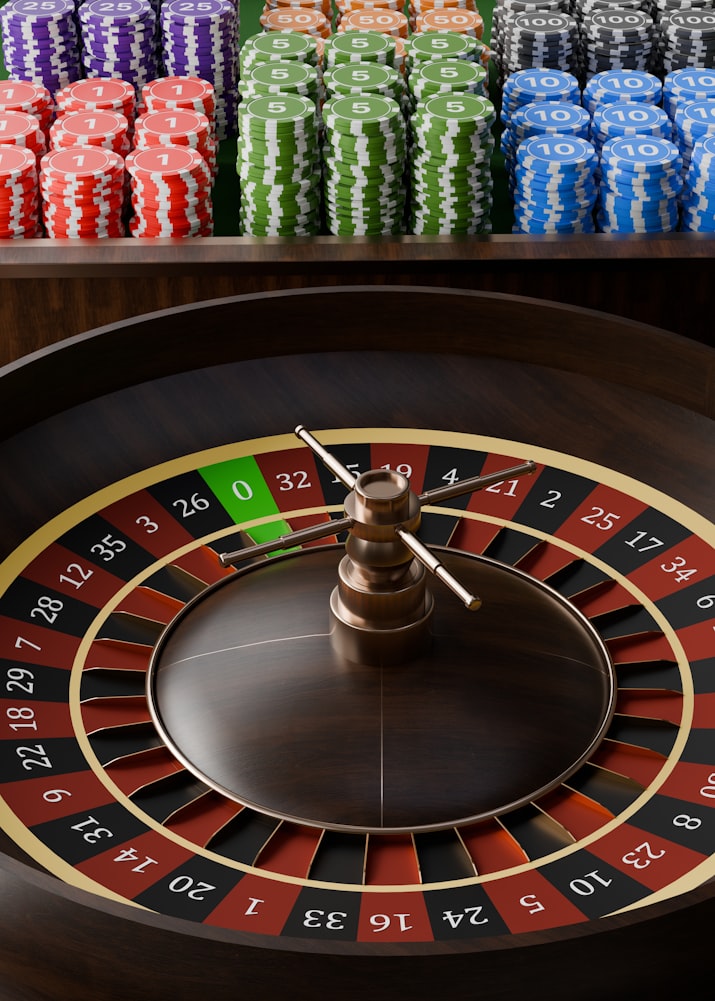
Additionally, the excitement and adrenaline of the casino atmosphere can cloud judgment, often prompting players to wager amounts beyond their financial means. Emotions like thrill and anticipation can drive risky decisions, further diminishing the chances of overcoming the house edge. By recognizing these psychological triggers, players can empower themselves to make more rational decisions and manage their gambling habits responsibly, which can enhance their overall enjoyment of the gaming experience.
Developing a healthy relationship with gambling is also paramount. Identifying the signs of problematic gambling behavior is essential for maintaining a positive experience. By educating themselves on responsible gambling practices—including setting time limits and ensuring that gaming remains a form of entertainment rather than a financial strategy—players can enjoy their time in casinos without succumbing to the more destructive aspects of gambling.
Your Guide to Responsible Gambling
For those looking to engage in gambling, understanding the importance of responsible gambling practices is critical. This includes establishing clear limits on both time and money spent, as well as recognizing the signs of problematic gambling behaviors. Being aware of potential risks and implementing strategies to mitigate them allows players to enjoy the entertainment value of casinos while protecting their financial well-being.
A plethora of resources is available for individuals seeking to learn more about responsible gambling. Numerous organizations and websites dedicated to promoting awareness provide valuable insights on how to gamble safely and the importance of recognizing one’s limits. Engaging with these resources can significantly enhance a player’s overall experience, equipping them with the necessary tools to gamble responsibly and enjoyably.
Ultimately, the key to a satisfying and enjoyable gambling experience lies in balancing strategy, understanding the house edge, and practicing responsible gaming habits. By approaching gambling with a comprehensive perspective and prioritizing enjoyment over the singular pursuit of victory, players can cultivate positive experiences within casinos while minimizing risks and potential setbacks. Emphasizing responsible gambling ensures that the thrill of the casino remains a source of entertainment and enjoyment, rather than a pathway to financial difficulty.



Comments are closed.